Provincial Chapters & Punjab Industrial Clusters
While legally structured as a national trade organization under the Trade Organizations Act 2013, operational vitality is anchored in the Punjab Provincial Chapter and strategic district cluster coordinators.
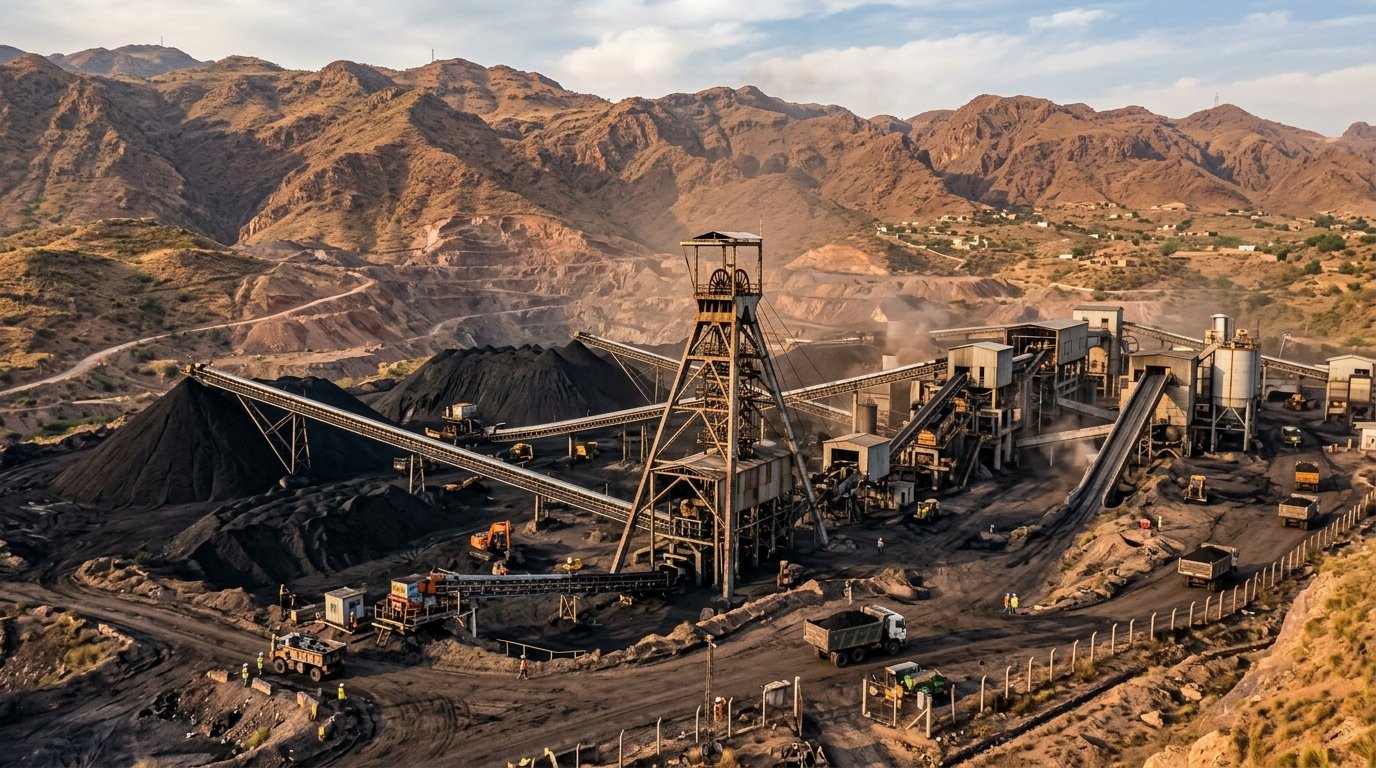
Salt Range, Dandot, Makarwal & Choa Saidan Shah Mining Belts
Connecting primary coal reserves with industrial logistics across Faisalabad, Gujranwala, Rawalpindi, and Lahore.
A chapter is an internal organizational unit unless it separately possesses independent legal/regulatory status. In accordance with DGTO regulations, regional chapters report to the central Executive Committee and must not be presented as separately licensed trade bodies.
Provincial & Regional Chapter Framework
Nationwide representation model linking mine production to industrial demand.
Punjab Chapter (Headquarters)
Chapter Chairman + Secretary
Industrial boiler users, coal traders, logistics corridors, Punjab EPA compliance, and provincial mining liaison.
Balochistan Chapter
Chapter Chairman + Secretary
Coal extraction, leaseholder welfare, pithead safety, mine degassing, and mine-to-Punjab railway dispatch coordination.
Sindh Chapter
Chapter Chairman + Secretary
Port Qasim maritime imported coal operations, customs clearance, Lakhra coalfield trade, and Karachi industrial belt supply.
Khyber Pakhtunkhwa Chapter
Chapter Chairman + Secretary
Hangu, Cherat and Nowshera coal mine production, border trade logistics, and cement plant fuel linkages.
ICT / Federal Liaison Office
Federal Liaison & Chapter Lead
Direct liaison with Directorate General of Trade Organizations (DGTO), Ministry of Commerce, Ministry of Energy, and FBR.
Punjab District & Industrial Cluster Coordinators
Designated cluster coordinators maintain direct contact with local mills, coal storage yards, and regulatory authorities.
Executive secretariat, major coal trading houses, financial institutions, and legal compliance coordination.
Largest concentration of coal-fired captive steam boilers, textile dyeing plants, and chemical manufacturing units.
Ceramic tile kilns, paper mills, and heavy manufacturing consumers of graded indigenous and imported coal blends.
Brick kiln consortiums adopting zigzag anti-smog firing technology and metallurgical coal for light engineering.
Central transit railway sidings, thermal bulk depots, and distribution across southern Punjab industrial belts.
Primary domestic coal seams, leaseholder associations, pithead testing, and road haulage aggregation.
Join Your Respective Provincial Chapter
Members are assigned to their respective regional clusters with full voting rights in General Body elections and eligibility for standing committee seats.